Seven labs
A cluster of interlinked rural learning sites.
Each lab page explains why the area matters, what happens there, what visitors may learn, and what kinds of seasonal observation or monitoring it is designed to support.
Internal Layer
A knowledge-rich extension of the retreat.
The Living Lab section stays within the calm visual language of Olivestone Retreat, but opens a more reflective world of stewardship, learning and place-based observation.
Lab explorer
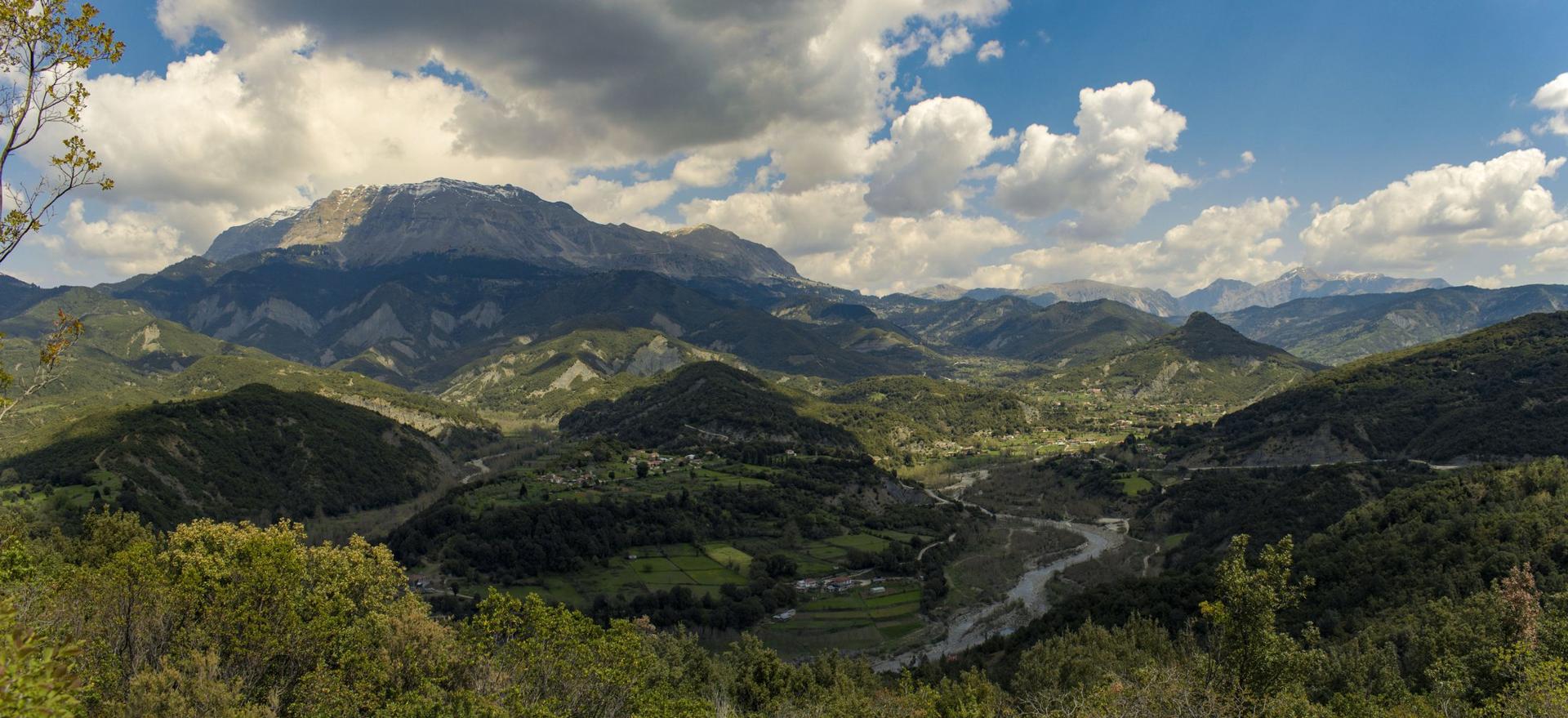
Seven points of attention within one place-based system.
The labs are different in theme and timescale, but all are intended to support a coherent reading of the retreat as a living landscape rather than an isolated hospitality project.
Lab 01
Agritourism Living Lab
Rural hospitality linked to food, hosting rhythm and local partnerships.
On-site olive grove and surrounding rural landscape
This lab links the retreat to food, harvest rhythms, producer workshops and small rural offerings so hospitality feels lived and relational rather than abstract.
It keeps the visitor experience connected to the people, products and seasonal realities of the place.
Lab 02
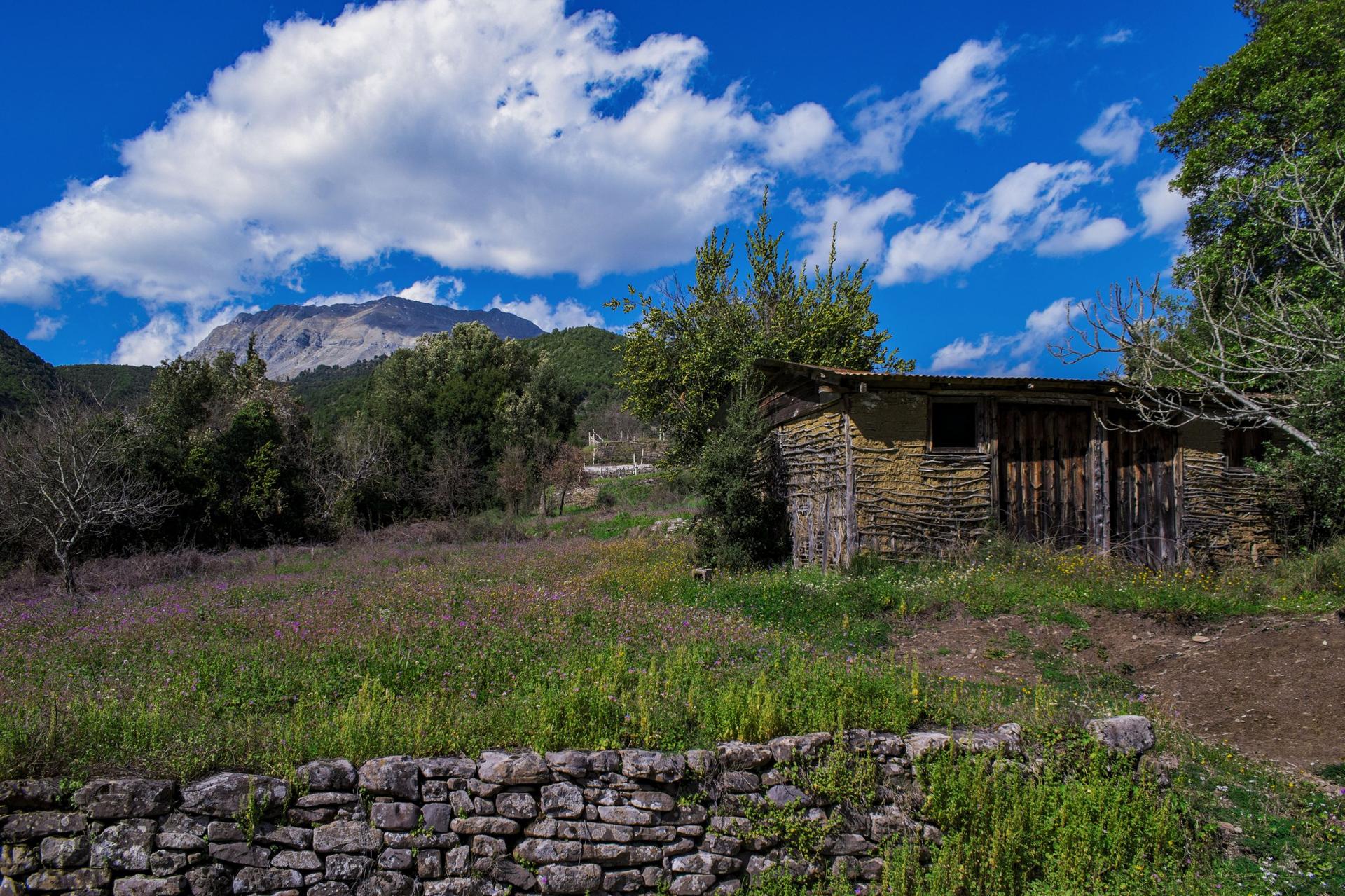
Stone Buildings Living Lab
Old buildings become a small-retreat testbed for repair, comfort and storytelling.
On-site old outbuildings formerly used for warehousing
It focuses on retrofit, reuse, maintenance, indoor comfort and history-led interpretation so the buildings can teach as well as host.
It shows how rural hospitality can learn from existing buildings instead of replacing them.
Lab 03
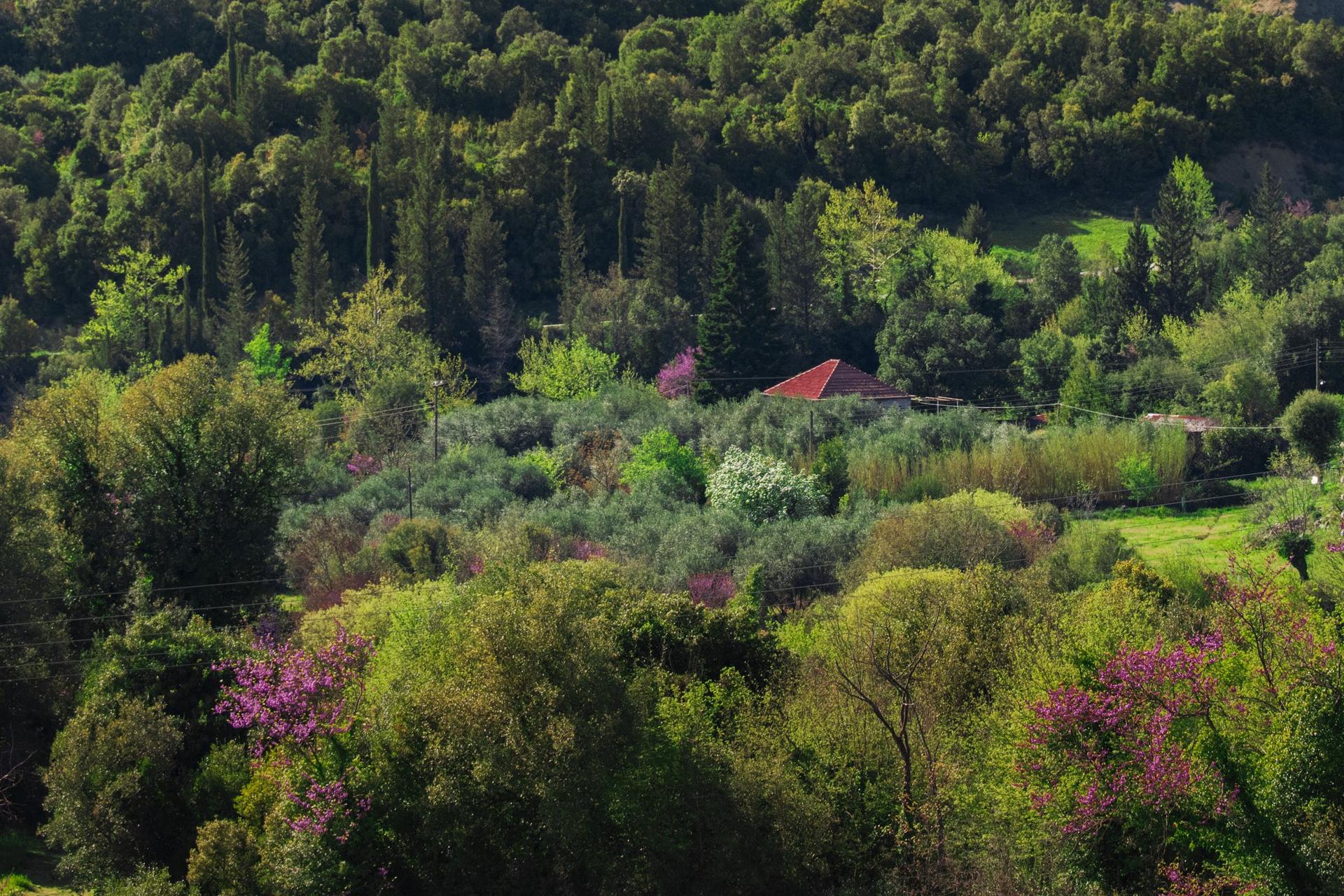
Olive Grove Living Lab
Precision cultivation and quiet agricultural learning within the grove itself.
The olive grove around the retreat
This lab connects cultivation, irrigation awareness, soil and weather monitoring, and visitor-facing learning about how the grove is actually cared for.
It keeps the olive landscape central to the identity of the retreat while opening a practical route into observation and care.
Lab 04
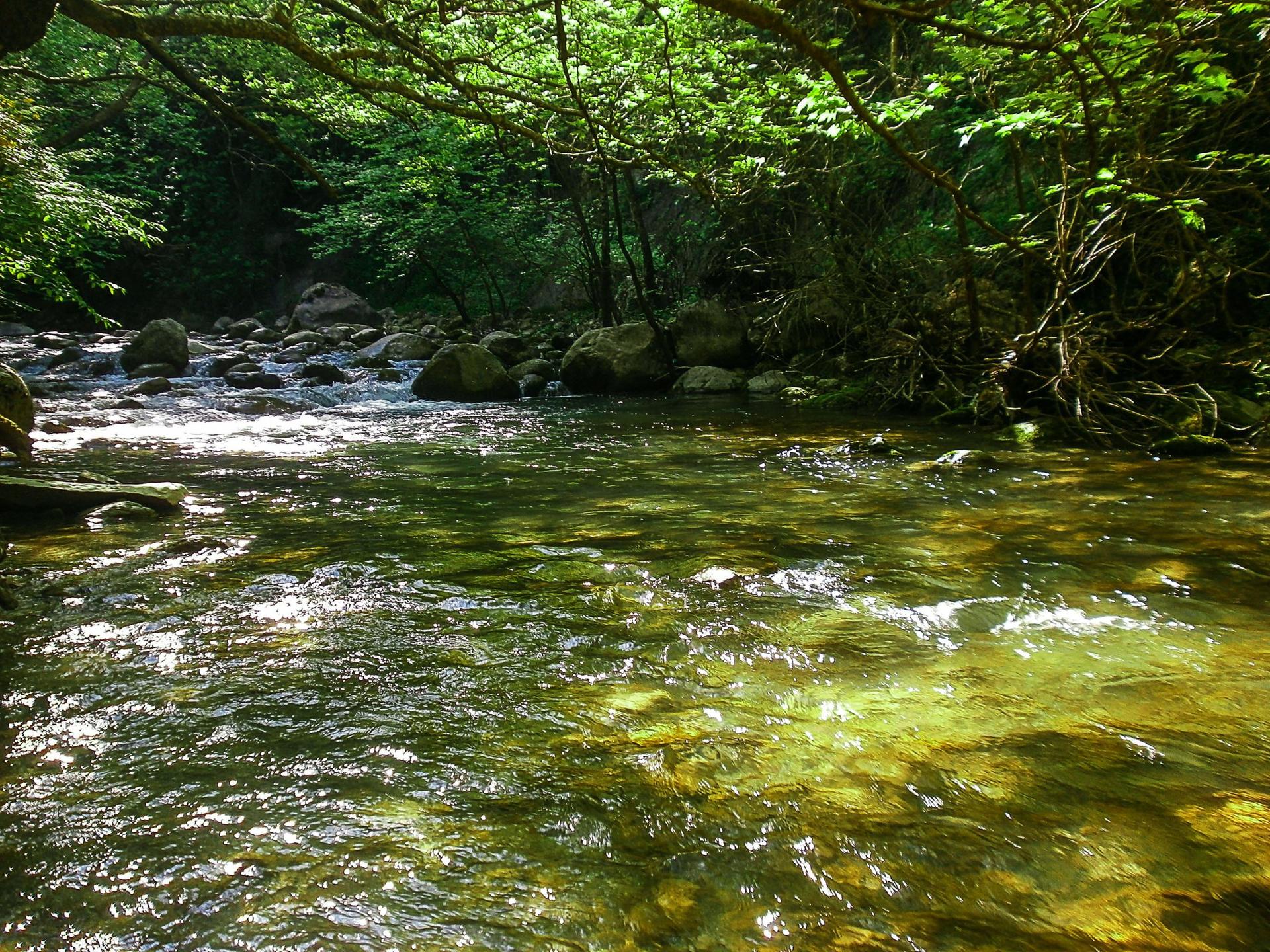
River Living Lab
A quieter ecological layer shaped by water, habitat and slow attention.
On-site river corridor and riparian vegetation
This lab focuses on biodiversity, microclimate, habitat health and nature-based learning through simple field evidence and quiet interpretation.
It connects ecological awareness with the slower, restorative side of the retreat experience.
Lab 05
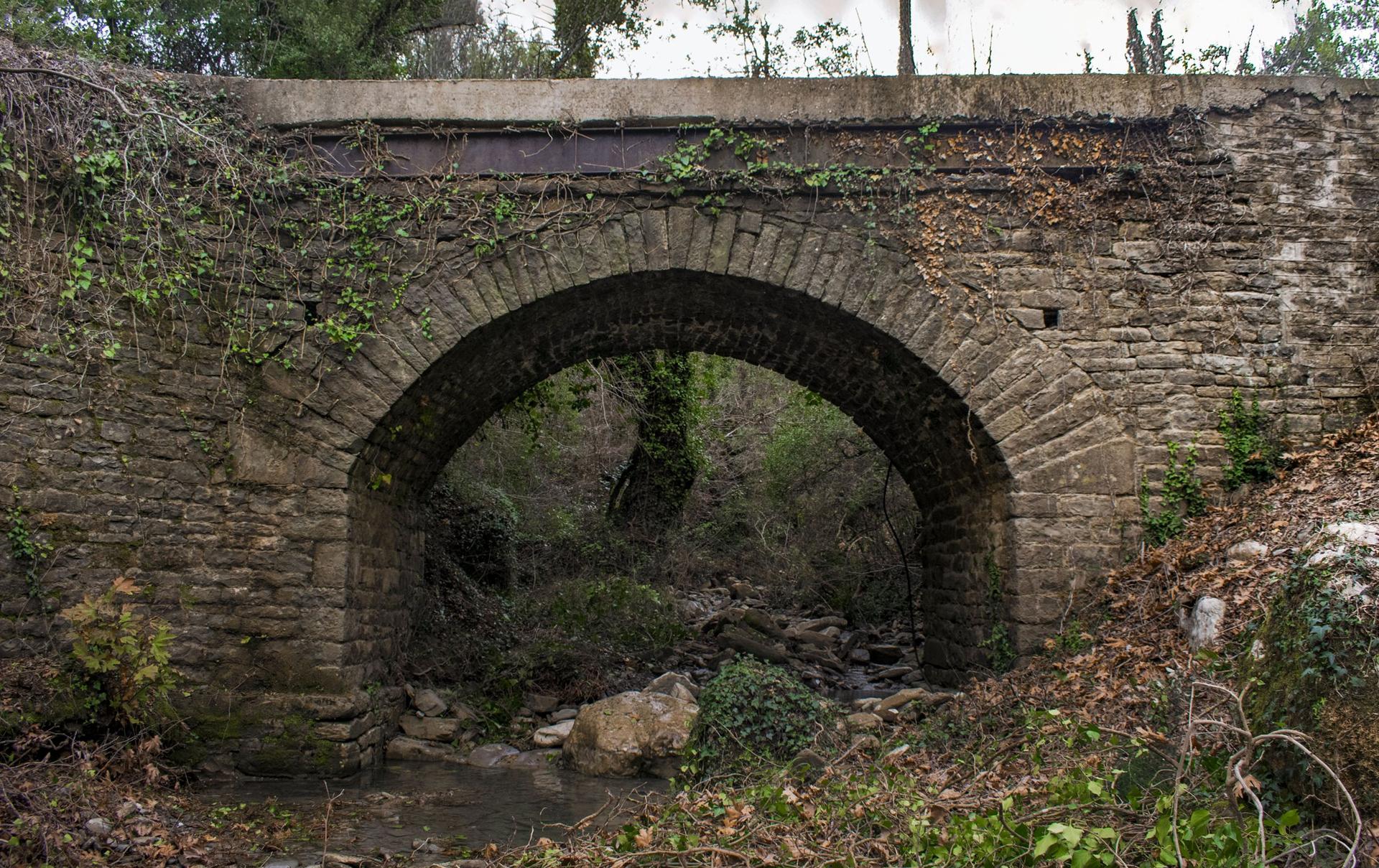
Heritage Living Lab
Old bridge condition, river pressure, corrosion risk and careful access in one heritage landscape.
Old stone bridge, river edge and historic stream corridor near the retreat
It connects heritage care, river conditions and local narrative so the past remains part of the living retreat landscape rather than a detached memory.
It makes heritage feel maintained, readable and connected to present-day use.
Lab 06
Walking Paths Lab
Walkability, seasonal risk and route understanding in rugged terrain.
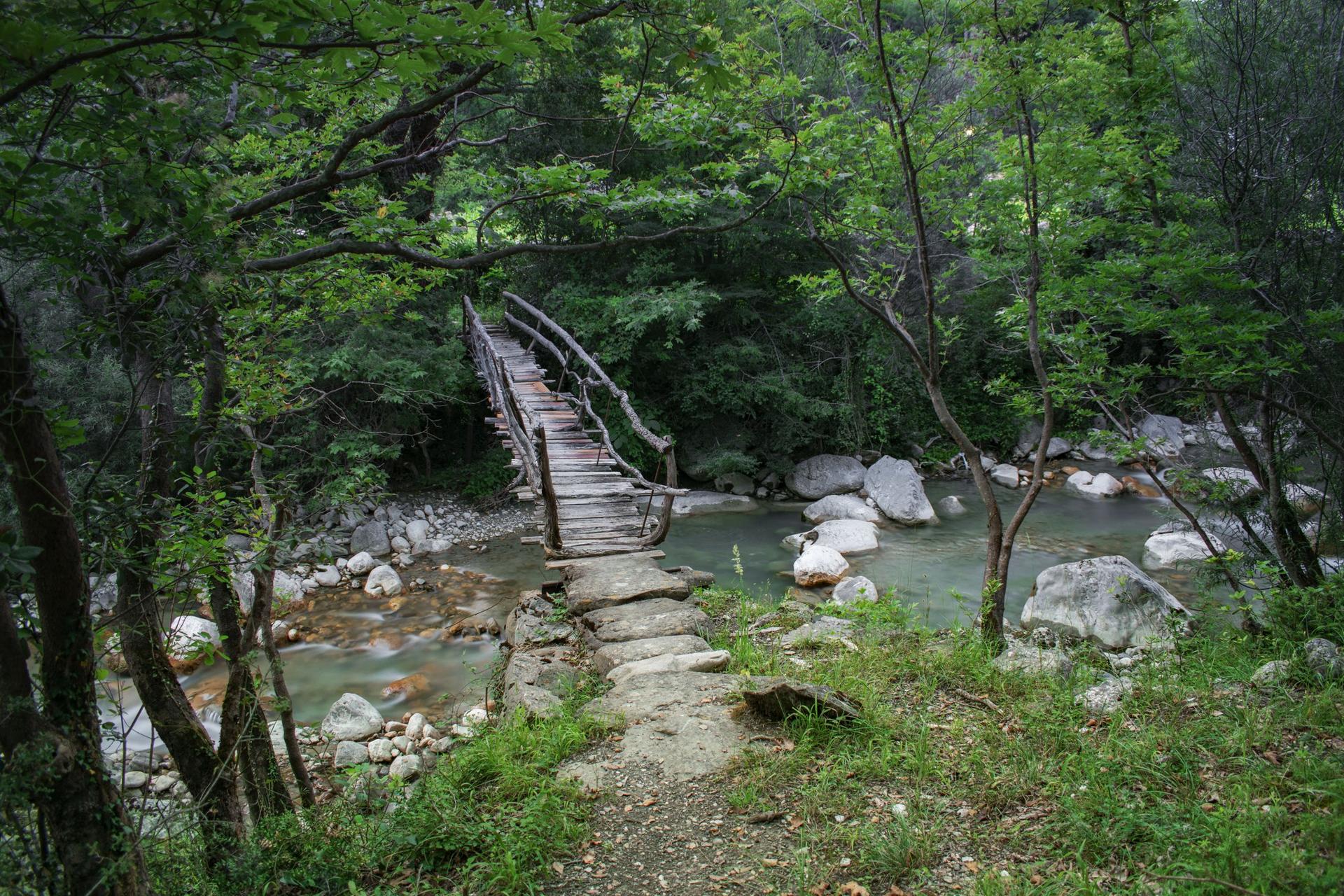
Walking path from the river crossing toward the forest
It focuses on river crossings, route conditions, wayfinding, seasonal rules and careful visitor preparation in mountain terrain.
It connects walking pleasure with realistic communication about risk, terrain and weather.
Lab 07
Forest Living Lab
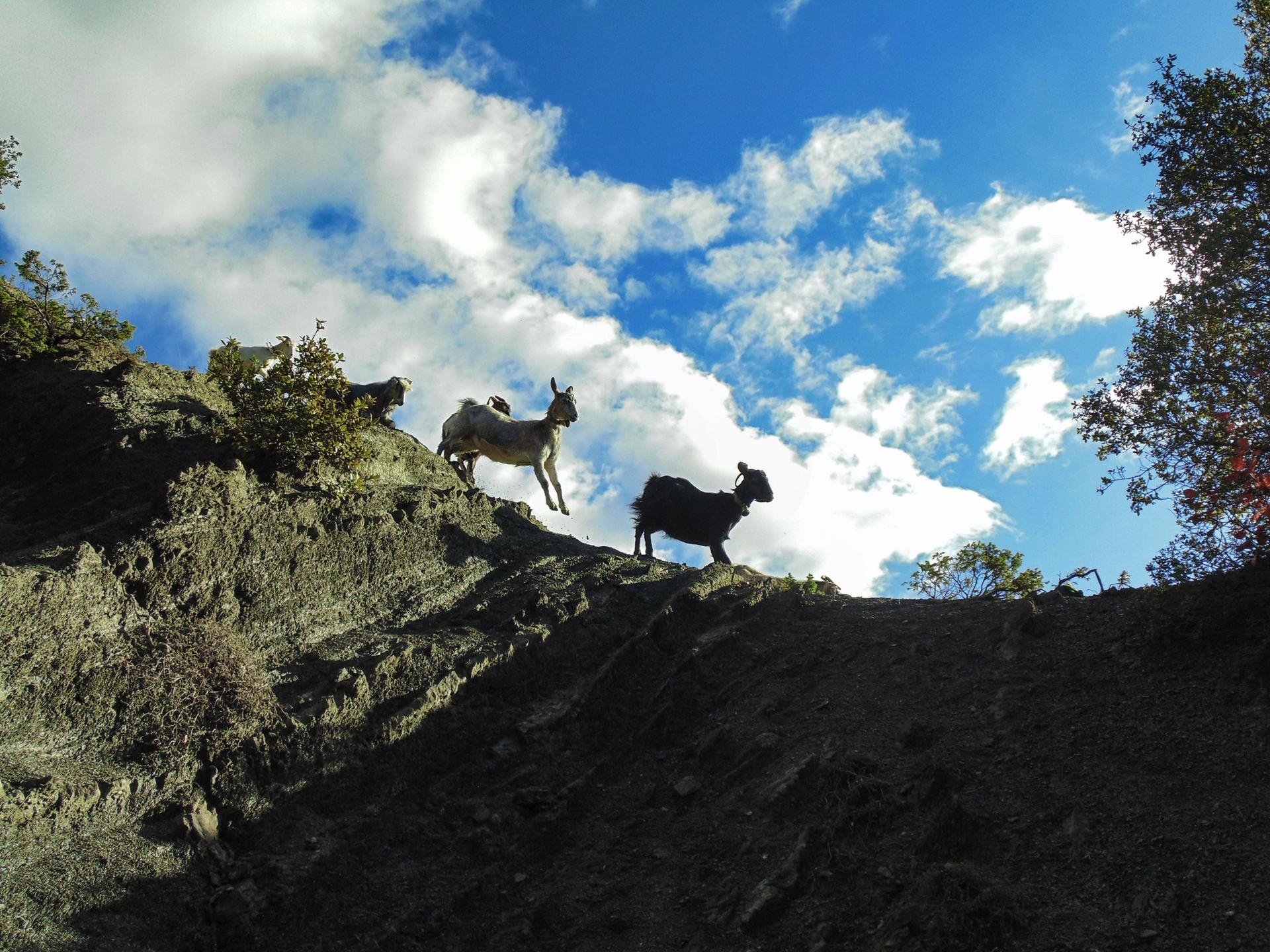
Forest health, regeneration and resilience on the mountain edge.
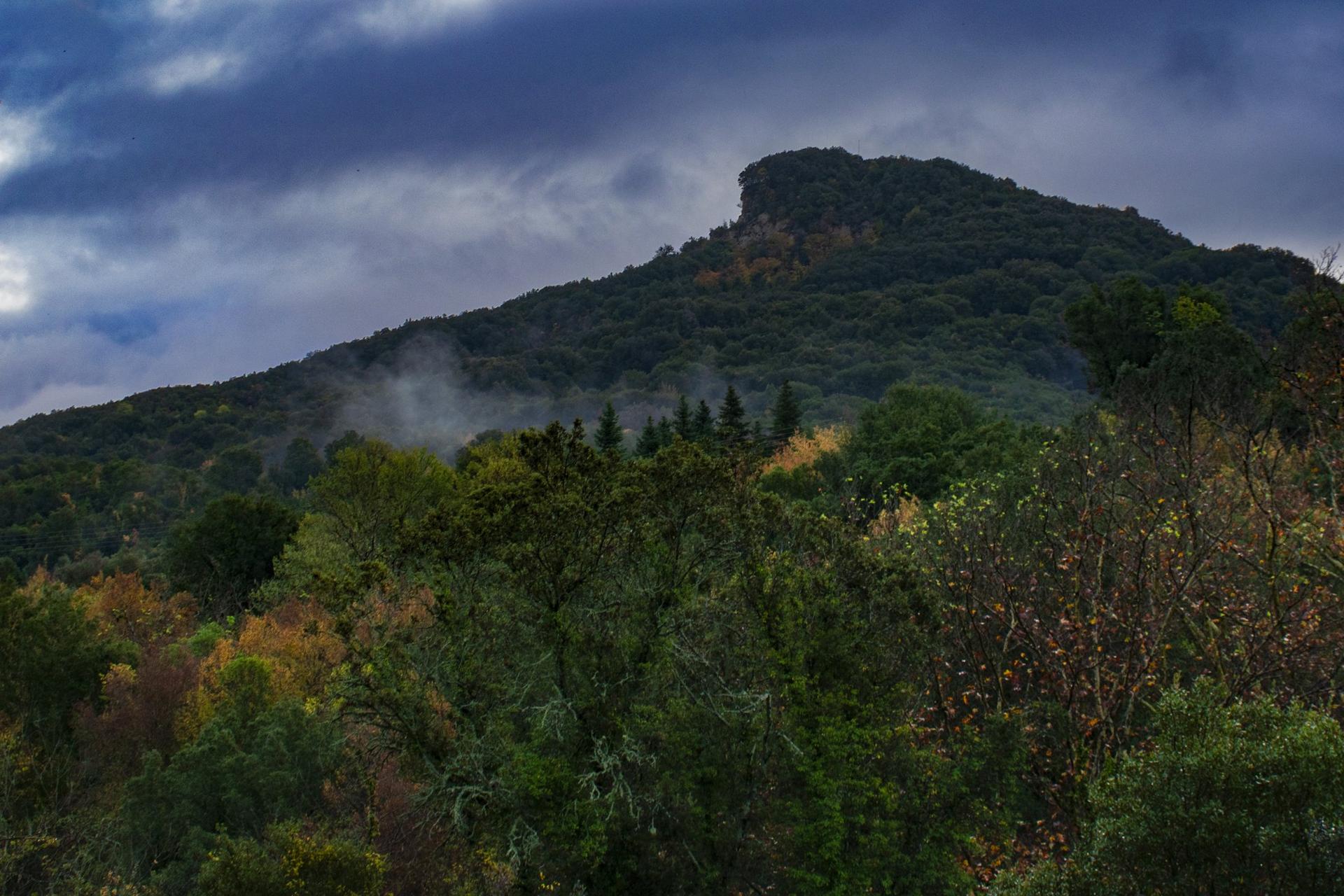
Forest above the retreat and along the mountain walking routes
It connects forest observation to walking, safety and long-term stewardship through repeat surveys, photo points and seasonal field records.
It brings the longest timescale into the system, linking resilience to the future of the site.