
Olivestone Living Lab
Living Lab menu +
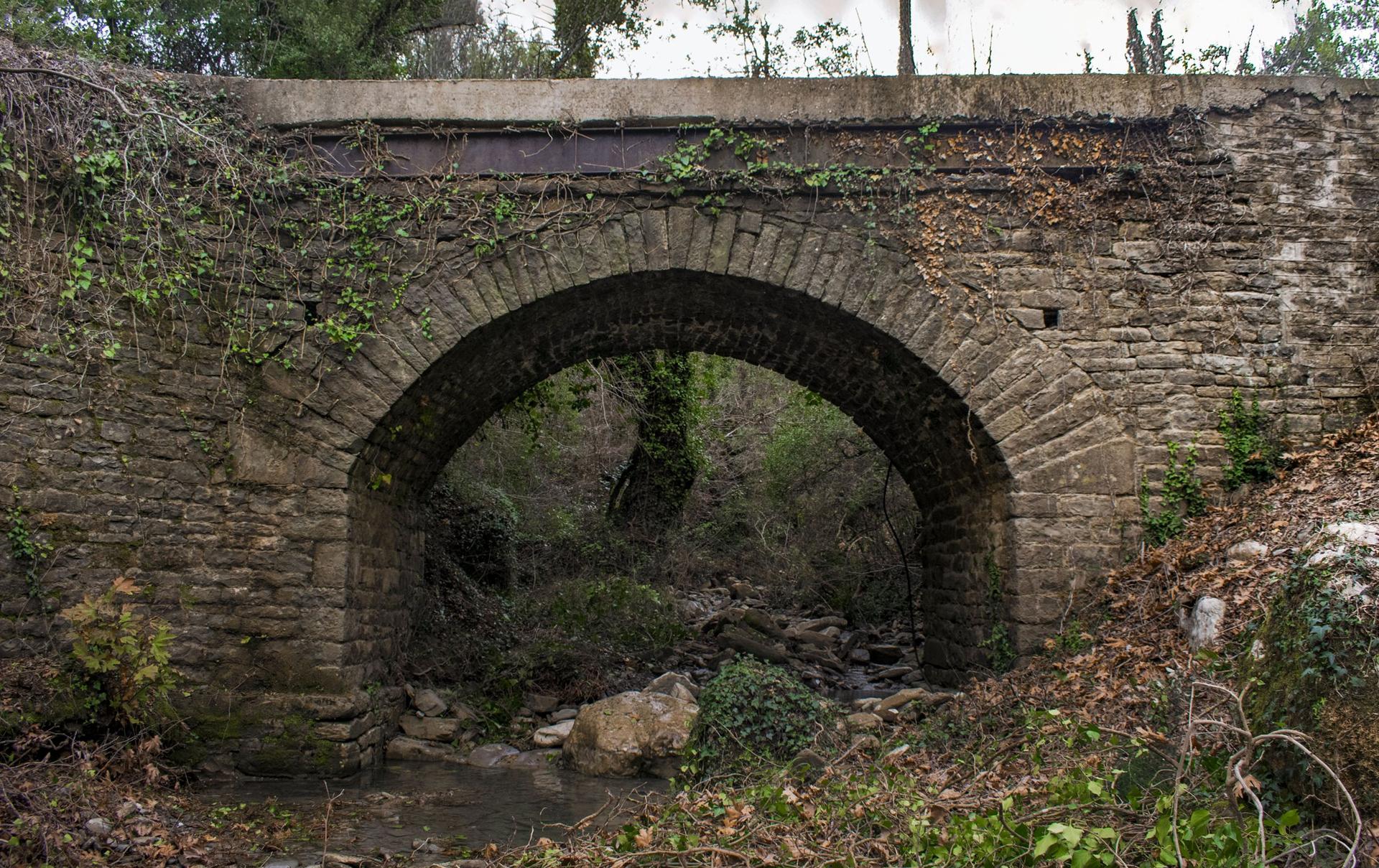
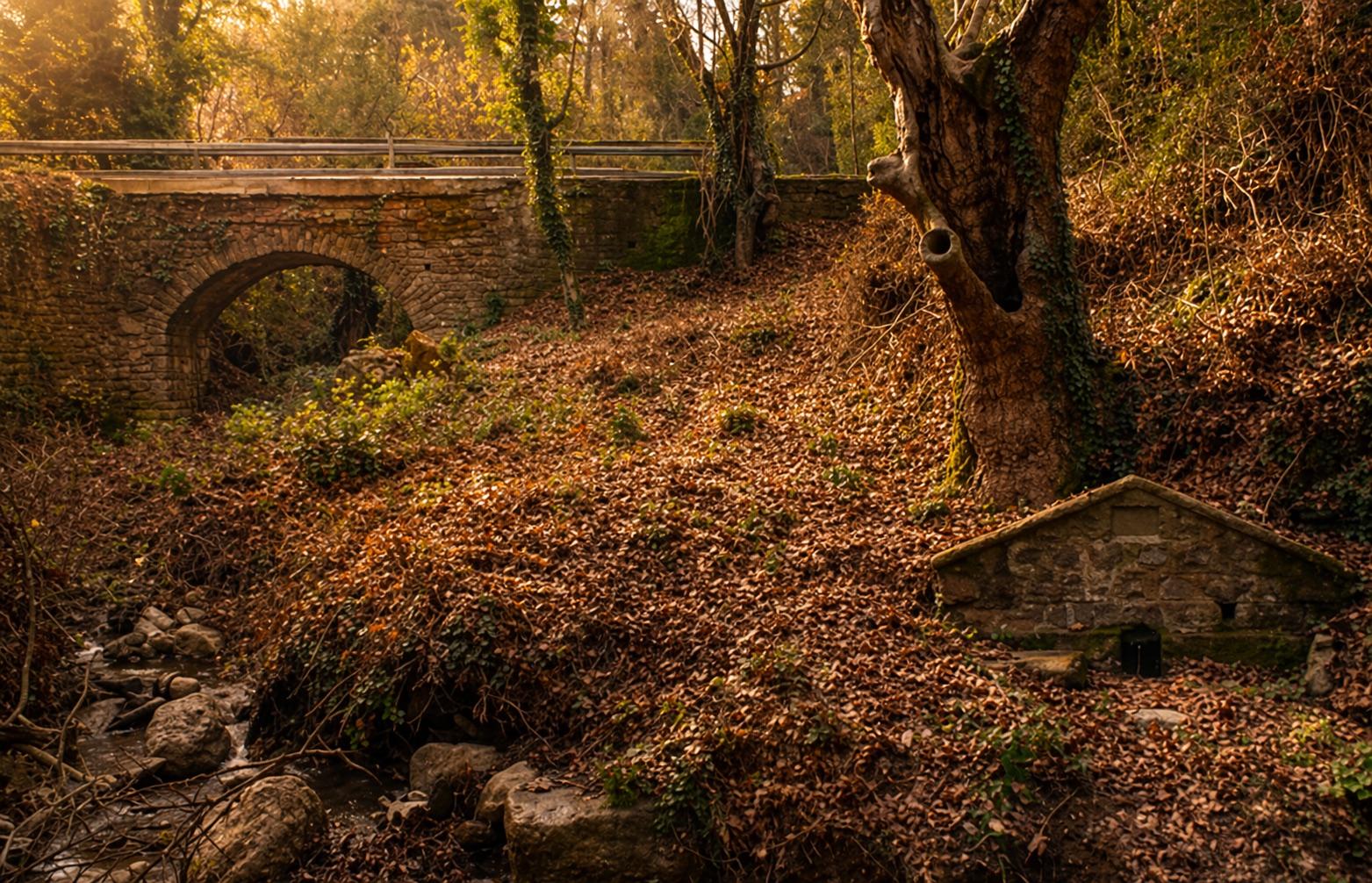
Old stone bridge and stream corridor in the heritage landscape

Lab 05

Heritage Living Lab

Old bridge condition, river pressure, corrosion risk and careful access in one heritage landscape.

This lab focuses on the practical state of the old bridge and river corridor: stone wear, corrosion risk, erosion, drainage, vegetation and safe access.

Contact the living lab
Heritage Living Lab

Memory in the Landscape

Heritage is kept alive through access, care and continuity.

Heritage matters here because it is exposed to water, weather and use. The old bridge and river corridor are not only things to admire. They ask practical questions about corrosion on metal elements, stone wear, cracks, moisture staining, vegetation pressure, drainage, erosion and how to keep local memory present without over-restoring it.

Lab focus

Heritage Living Lab

It connects heritage care, river conditions and local narrative so the past remains part of the living retreat landscape rather than a detached memory.

Focus

This lab stays focused on routes, traces, bridges, vegetation pressure and the practical work needed so heritage remains part of the living landscape.

How it works

Place-based, observational and grounded in realistic small-retreat stewardship.

Stewardship direction

Heritage Living Lab

A maintained rather than decorative heritage

Heritage Living Lab in context

The emphasis here is on care, safe access and condition, not nostalgic display. Heritage is part of how the place is used and understood.

Condition records

Photo documentation and condition notes for the old bridge, river edge and adjacent site elements

Low-impact care

Low-impact actions such as cleaning, vegetation control, drainage protection, corrosion checks and safer access paths

Visitor interpretation

Visitor interpretation that explains how river flow, old masonry and maintenance shape the heritage experience

Observational chart

Bridge condition and care timeline

A practical view of old bridge heritage, river pressure, stone wear, corrosion risk and careful access.

Dual-lane timeline showing old bridge heritage, river corridor condition, corrosion and care priorities for the Heritage Living Lab.

Bridge and river storyCondition and care

Bridge and river story

Condition and care

1803 / Bridge and river story

The place name appears in historic documentation connected to the wider mountain settlement.

The focus is the actual state of the heritage: old masonry, metal elements, river humidity, erosion, vegetation pressure and safe access.

Dated condition checks, photo points, drainage notes and priority care actions keep the care work specific and traceable.

Visitor learning

What a visitor can understand here

How old bridges survive through use, observation and ongoing care

Why corrosion, moisture, river movement and vegetation matter for heritage condition

How minimal intervention can protect older infrastructure while keeping it readable

Observation

What is monitored or noticed

Vegetation pressure, erosion, drainage and river-bank conditions

Corrosion risk, cracks, moisture staining, loose material and visible wear around the bridge corridor

Safe access notes, photo points and maintenance priorities over time

Lab summary

Why heritage living lab matters

Heritage matters here because it is exposed to water, weather and use. The old bridge and river corridor are not only things to admire. They ask practical questions about corrosion on metal elements, stone wear, cracks, moisture staining, vegetation pressure, drainage, erosion and how to keep local memory present without over-restoring it.

Focused page